
TOPIC 1: Quality Assurance, Accreditation and Outcomes-Based Education in Engineering or Computing
Subtopics:
All manuscripts must be prepared using the official IEEE Conference Template (two-column format).- Accreditation frameworks (ICACIT, EUR-ACE, Washington Accord, IEAM…)
- Outcomes-Based Education (OBE) implementation and assessment
- Continuous improvement systems and quality analytics
- Assessment methodologies and authentic assessment
- Program evaluation and institutional effectiveness
- Academic integrity in digital environments
- Quality assurance in hybrid and online engineering programs
- Diversity and inclusion metrics within accreditation systems
Track Chair

Dr. Carlos Rodriguez Herrera
Vicedecano académico de la Facultad de ingeniería
Universidad los Andes Colombia.

TOPIC 2: Digital Transformation, Artificial Intelligence and Emerging Technologies in Engineering Education
Subtopics:
- Artificial Intelligence and Generative AI in engineering education
- Learning analytics and educational data mining
- Virtual/Remote laboratories and immersive environments
- Digital twins and cyber-physical systems in education
- Industry 4.0 / 5.0 integration in curriculum
- Computational thinking and AI literacy
- Ethical implications of AI in engineering education
- Technology-enhanced assessment
Track Chair

Dra. Isabel Hilliger Carrasco
Directora de Unidad Ingeniería y Diseño (DILab)
Pontificia Universidad Católica de Chile.

TOPIC 3: Curriculum Innovation, Pedagogical Strategies and Student Development
Subtopics:
- Project-Based Learning (PBL) and Challenge-Based Learning
- Capstone design from a curricular perspective
- Curriculum redesign aligned with industry needs
- Interdisciplinary and transdisciplinary education
- Micro-credentials and flexible learning pathways
- Development of professional skills (soft skills, leadership, ethics)
- Inclusion, diversity and equity strategies in engineering programs
- Student retention, engagement and academic success
Track Chair
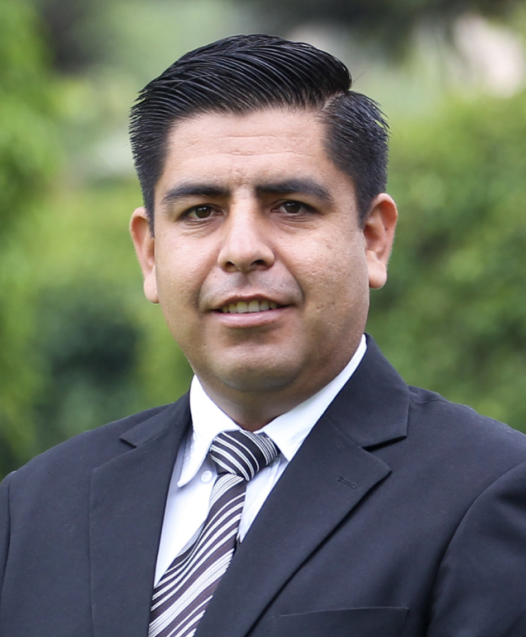
Dr. Víctor Alexci Tuesta Monteza
Decano de la Facultad de Ingeniería, Arquitectura y Urbanismo
Universidad Señor de Sipán.

TOPIC 4: Sustainability, Social Impact and Global Engineering or Computing
Subtopics:
- Engineering education aligned with the SDGs
- Climate change and sustainable engineering practices
- Engineering for developing and emerging economies
- University–industry–government collaboration models
- Social innovation and technological entrepreneurship
- Ethics, responsibility and public policy in engineering
- Community-engaged engineering education
- Internationalization and global mobility programs
Track Chair

Dr. Edmundo Tovar Caro
Pasado presidente
Sociedad de Educación del IEEE.

TOPIC 5: Applied Engineering, Computing and Industry-Linked Projects or community
Subtopics:
- Engineering solutions implemented in companies
- Software engineering applied to real-world problems
- Data science and AI applied projects
- Embedded systems and IoT implementations
- Automation and control systems in industry
- Capstone design projects with real-world impact
- Prototypes, proof-of-concept and technology validation
- Undergraduate and graduate thesis with applied outcomes
Track Chair
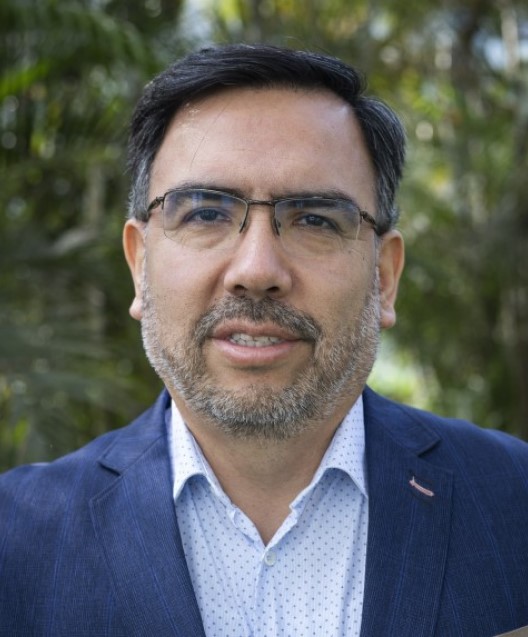
Dr. Sandro Alberto Paz Collado
Coordinador General de Mejora Continua y Acreditación de la Facultad de Ciencias e Ingeniería de la
Pontificia Universidad Católica del Perú.